Building safer systems for youth mental health support



Key takeaways
- Systemic safety goes beyond reactive crisis intervention to create an environment that consistently provides psychological and emotional security for youth.
- True safety means having reliable systems and trusted adults to support students through conflict and distress, rather than the absence of these challenges.
- Creating safe spaces works best when consistent routines, trained adults, and clear pathways to professional care are backed by calming tools such as cool-down corners.
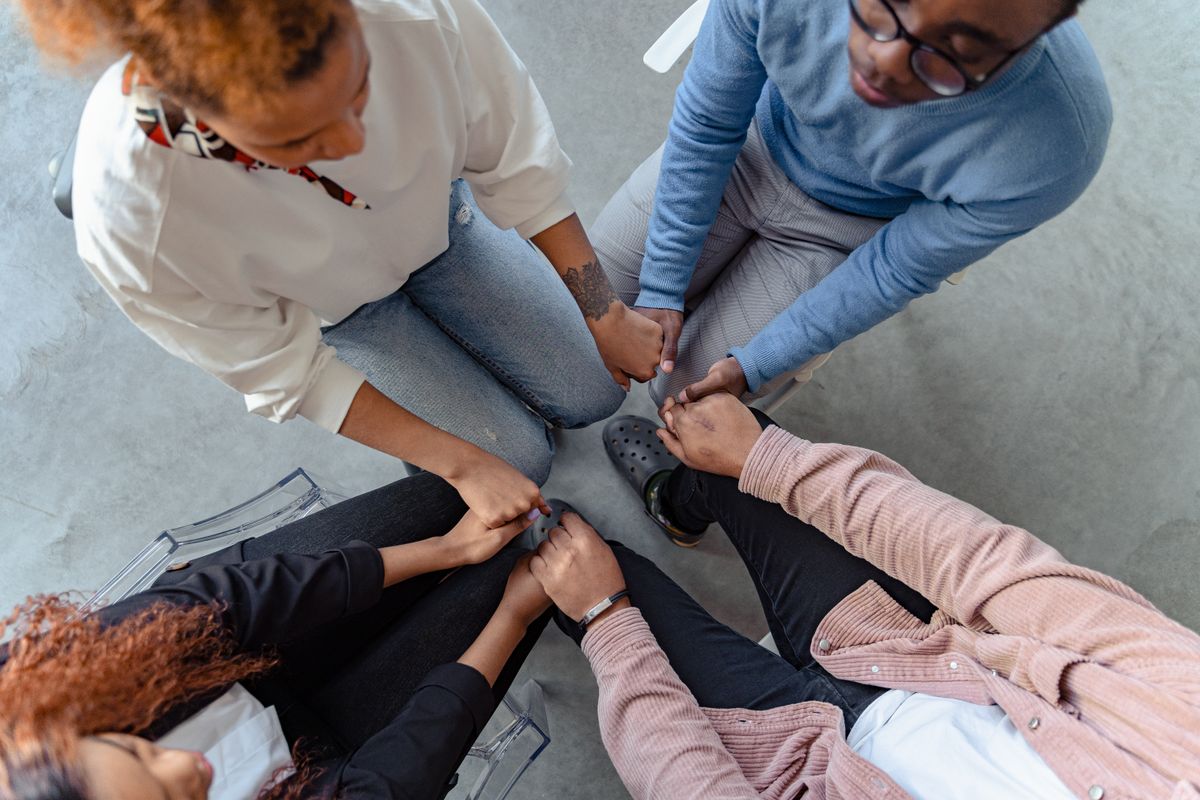
A safe space goes beyond a room with a poster on the wall. It provides the steady assurance that, when challenges arise, a young person will not be shamed, ignored, or left to navigate them alone.
Safe spaces for youth mental health should exist in schools and community programs, offering young people access to support, resources, and guidance in an environment free from judgment.
Creating safe spaces must be systemic safety, a multi-layered approach that goes beyond reactive crisis intervention and builds a 24/7 environment of psychological and emotional security.
True safety isn’t the absence of conflict or distress, but the presence of reliable systems and trusted adults who can traverse those moments along with young people.
How to build authenticity and trust with youth?
Moving from transactional adult-youth interactions to relational ones means prioritizing vulnerability and advocacy over authority. Young people can tell when an adult is simply performing their professional role versus showing genuine care.
Trust grows when adults are consistent, admit mistakes, and follow through in ways that show they’re invested in the student’s well-being and not just their behavior or academic performance.
Why are authentic relationships the foundation of clinical safety?
Authentic relationships foster clinical safety by making it easier for young people to openly share their feelings and experiences without the fear of judgment. When care is consistent instead of performative, youth are more likely to engage with support before things escalate.
Safe environments support better emotional regulation, attendance, and self-confidence among youth.
How can leaders create safe spaces for youth to share their identities?
Leaders can create safe spaces by making it clear that students don’t have to hide who they are to be respected. They can do this by:
- Displaying inclusive imagery
- Stocking books with diverse characters
- Using inclusive language
- Welcoming conversations about culture and identity
- Ensuring policies protect identity expression
What does radical empathy look like in a system?
Radical empathy means understanding youth experiences from their perspective instead of imposing adult interpretations.
To practice radical empathy, you must avoid judgment when a young person's behavior seems confusing, understand that challenging behaviors may be their way of expressing unmet needs, and respond with curiosity rather than punishment. However, you must balance support with accountability.
Why is consistency the most important factor in building trust?
Consistency creates predictability, which lowers anxiety for youth who may be used to unstable or unfair environments.
When adults follow through on commitments and enforce boundaries fairly while maintaining steady emotional responses, relationships feel safer and more reliable to young people.
How to communicate the "duty of care" without sounding clinical?
Use plain language that connects duty to care. Say something like, “We care about you enough to take your safety seriously” and explain what that means in real terms, not clinical terms.
Explain that certain information must be shared to keep them safe and that sharing occurs because adults want to help, not punish.
What is the role of an adult advocate in securing accommodations?
An adult advocate assists youth in accessing accommodations that they might not be able to secure on their own. These supports can include 504 plans, Individualized Education Programs (IEPs), or informal accommodations that improve mental health needs in educational settings.
The best advocacy makes sure that supports match what youth actually need, not what adults assume they need.
What tools establish predictability and emotional regulation?
Tools that establish predictability and emotional regulation provide structure and support, helping individuals manage their emotions and navigate daily challenges with confidence.
Tools to establish predictability include:
- Predictable routines to feel grounded and secure
- Visual aids to reduce anxiety
- Clear expectations and communication
- Social-emotional check-ins to identify emotions
Tools to support emotional regulation include:
- Calm-down corners to use when feeling overwhelmed
- Breathing and mindfulness techniques
- Physical regulation tools such as fidget toys or stress balls
- Cognitive behavioral skills to help manage emotions
How does a predictable routine lower cortisol levels in students?
Cortisol is a stress hormone, and unpredictability can keep a student’s stress response on high alert. When routines and transitions are steady and predictable, students spend less time bracing for what’s next and more time regulating and learning.
Why should social-emotional check-ins be a non-negotiable ritual?
Regular check-ins normalize conversations about feelings and provide early warning systems for escalating concerns.
According to the Behavioral Science's, Students' Socio-Emotional Skills and Academic Outcomes After the PROMEHS Program: A Longitudinal Study in Two European Countries, students involved in well-designed SEL programs exhibited:
- Gains in social and emotional competencies
- Decreased behavioral problems
- Higher levels of well-being
- Higher academic achievement
- Improved classroom behavior
How does offering choice empower youth who feel out of control?
When young people’s lives are often shaped by adults making decisions for them, offering choices helps them feel more in control, boosting motivation and engagement.
Simple decisions such as where to sit, which format to use for an assignment, or which coping tool to select show respect and help build their decision-making skills.
What strategies help identify triggers before they escalate?
Proactive strategies include teaching students to recognize their own early warning signs, such as:
- Irritability
- Shut down
- Racing thoughts
- Leaving their seat more than usual
Using behavior tracking systems to identify patterns, along with training staff to recognize subtle shifts in engagement or mood, also plays a crucial role in supporting youth well-being.
The goal is to detect early signals to prevent the blowup. Practical strategies, such as a "feeling thermometer" that lets students indicate intensity before crisis levels, can be beneficial.
"One helpful strategy can be to have kids rate how they are feeling when they start the day, from 1-5 or use an emoji. This can give a sense of where the student is starting from and help the teacher understand and discuss more as needed."
- Laura Magnuson, MA, MS, LAMFT, VP of Clinical Engagement
How does a growth mindset shift the focus from failure to resilience?
A growth mindset reframes setbacks as learning opportunities rather than personal failings. When students learn to see challenges as skills they can build, they’re more likely to try coping strategies and ask for help instead of shutting down.
Why is youth feedback essential for system refinement?
Systems designed by adults often miss what actually matters to youth. Practical factors such as confidentiality, stigma concerns, and the broader school environment are easy to miss without direct youth input.
Regular feedback loops through anonymous surveys and suggestion boxes help you adjust what isn’t working before students disengage.
How do we look at past behaviors to find the underlying unmet need?
Ask what the behavior was trying to solve, not just what rule it broke. A student acting out might be communicating overwhelm, exhaustion, hunger, fear of embarrassment, or a need for connection. When the response targets the unmet need, the same pattern is less likely to repeat.
Why is staff self-care a prerequisite for youth regulation?
Supporting educator well-being is crucial, as regulated adults create regulated spaces. Adults can’t reliably co-regulate youth when they’re already experiencing their own dysregulation due to stress, burnout, or compassion fatigue.
When staff are depleted, their responses become sharper, less consistent, and more reactive, creating an environment that feels unpredictable to students.
How do we create systemic support and emergency protocols?
Creating safe spaces means building supports that work on regular days and during hard moments or a crisis.
If you’re wondering how to create a safe space that holds up under stress, or how to create safe spaces across an entire school system, understand that you’ll get the most impact from shared structures, clear roles, and practiced crisis steps.
How do group discussions normalize mental health as a collective responsibility?
Education that occurs through group discussions works best when it’s a regular part of school life, not something that only happens after a big incident. When done well, it reinforces to students that seeking help is normal, while also teaching them common ways to talk about stress, emotions, and coping.
What creates a true sense of belonging in a school system?
Belonging grows when students see themselves reflected in the curriculum, feel their contributions matter, and experience real connection with peers and adults.
According to a PLOS 1 study, when students feel connected to their school community, they experience improved mental health and better academic and behavioral outcomes.
How do we standardize training for non-clinical personnel?
Standardized training provides all non-clinical personnel at schools with the basic skills to recognize mental health concerns, respond calmly, and connect students to the right help. By standardizing this training, schools can ensure that students receive consistent responses, regardless of which adult they interact with.
"Non-clinical staff should receive training to understand signs of a mental health struggle and what to say and do should those signs appear."
- Laura Magnuson, MA, MS, LAMFT, VP of Clinical Engagement
What are the components of a clear, actionable crisis protocol?
Effective protocols remove guesswork in high-pressure moments and make follow-through more likely. They include clear steps for assessment, communication, and intervention, ensuring that everyone involved knows their role and can act swiftly and confidently.
How can we build peer-to-peer support systems within the community?
Building peer-to-peer support systems within the community starts by training young people to recognize signs of distress in others and equipping them with the tools to offer empathy and support.
Creating safe spaces for open dialogue and fostering a culture of mutual respect can further strengthen these networks, making it easier for individuals to seek help from their peers.
Where should crisis resources be placed for maximum visibility and zero stigma?
Crisis information belongs everywhere students spend time, including bathrooms, classrooms, hallways, and cafeterias, not just in counseling offices. Visible placement normalizes help-seeking and allows students to access information privately when they need it.
Can physical environments be designed to support safety and calm?
Physical environments include overall design, layout, and even content, such as furniture, lighting, and décor. The way a room looks, sounds, and functions can raise stress or help students settle.
When spaces feel predictable, welcoming, and not overwhelming, it’s easier for students to focus, ask for help, and recover after a tough moment.
What makes a "calm space" or "cool-down corner" effective?
A calm space or cool-down corner works best when it’s simple, familiar, and available before a student becomes overwhelmed. Calming spaces help students practice coping skills so they can return to learning with less disruption, especially when they're taught how to use the space and tools.
Useful elements are often basic:
- Soft seating, like a beanbag or pillows
- Sensory tools like stress balls or fidgets
- Simple coping prompts, such as breathing steps or an emotion chart
- A clear routine for how to take a break and rejoin class
How does inclusive decor (flags, books) signal psychological safety?
Visual cues help students quickly determine if a space is for them by reflecting the diversity of individuals they see represented.
The display of cultural celebration posters, diverse literature, and multilingual materials signals that all identities are welcome and valued. These and other affirming symbols support school connectedness, increasing feelings of safety.
Why does flexible seating improve student agency?
Flexible seating supports different bodies and needs, lowering friction and improving participation. Where and how students sit not only impacts comfort, but it can also support self-regulation and ownership of their environment, improving engagement, motivation, and overall focus.
How does lighting influence the nervous system in a learning space?
Lighting affects comfort and mood. Harsh fluorescent lighting can increase agitation and stress, while natural or warm lighting promotes calm. Dimmer switches, allowing brightness adjustment, accommodate sensory sensitivities and support regulation during different activities.
How can youth take ownership of the rules of their environment?
Co-creating expectations with students makes rules feel like a shared responsibility, ensuring they reflect real concerns rather than adult assumptions. A practical approach is to create a short set of class norms together, revisit these norms after conflict, and ask students what would make the space feel more workable and respectful.
Why is empowering youth voice and leadership critical for safety?
Safety systems tend to break down when they’re built for young people instead of with them. Empowering youth voice and leadership influences what gets built and ensures that when the system falls short, improvements can be made in real time, rather than waiting until damage has been done.
How to involve youth in the actual design of safety programs?
Start by treating youth as partners, not merely participants. Give them real input before decisions are made, then close the loop by showing how their feedback led to changes.
Involvement can include:
- Establishing a youth advisory council
- Conducting short focus groups for specific topics
- Adding student seats with voting power to planning committees
- Piloting tests run by students
- Using youth feedback to revise programs before rollout
What conditions allow for youth advocacy and systemic innovation?
Youth advocacy requires adults to share power, not just gather opinions, in order to give young people genuine decision-making authority.
To ensure honest feedback, there must be clear protection from retaliation or social backlash. However, youth advocacy is only effective when adults are open to changing existing practices based on the input provided by young people.
What are the definitions and foundations of holistic safety?
Holistic safety is a comprehensive approach that includes physical, emotional, and systemic factors. It requires a whole-person, proactive versus reactive approach that addresses the mind, body, and spirit equally.
The foundations of holistic safety rely on a shared vocabulary to ensure everyone is working toward the same goals.
What is the definition of a "safe space" in 2026?
A safe space in 2026 is a physical or virtual environment where youth can engage authentically and ask for help without fear of discrimination, judgment, or harm. It includes emotional, physical, psychological, and identity safety, with particular attention on protecting marginalized youth who face heightened barriers.
How do teachers build healthy learning strategies into daily lesson plans?
Teachers build healthy learning strategies by designing lesson plans that reduce avoidable stress and support regulation throughout the day.
Practical examples include:
- Consistent routines
- Easy transition cues
- Brief breathing or stretching practices
- Movement breaks
- Calm corner or sensory break options
How can I begin using healthy learning strategies in my classroom today?
Start with one small routine you can repeat daily. Consistency matters more than doing everything at once. Try a two-minute reset before tests or transitions, a predictable opening check-in, or a simple movement break at the same time each day.
Where can I find professional development for "Healthy Learning" pedagogy?
Start with free, skills-based training that helps educators recognize stress responses and respond in supportive, consistent ways.
Mental Health America, CASEL (Collaborative for Academic, Social, and Emotional Learning), and state education departments offer free resources and training. Many districts also partner with local mental health agencies for professional development.
How Talkspace empowers organizations to build safer systems
A truly safe system for youth mental health is proactive, integrated, and resilient. It goes beyond isolated "safety corners" to create a consistent framework where every adult is trained to respond, and every student has a clear, accessible pathway to professional care.
Building these systems may require external clinical partners to help manage mental health care demands that schools are unable to handle on their own.
Talkspace provides mental health services for students and teachers that integrate seamlessly with existing school structures while expanding the student-to-counselor capacity beyond what limited internal resources allow.
By offering flexible, virtual therapy options, Talkspace ensures that both students and teachers have easy access to support, helping address mental health needs in real-time without overburdening school staff.
Schedule a demo today to learn how Talkspace supports organizations, institutions, and school districts in creating safer, more responsive systems for youth mental health.
Frequently Asked Questions (FAQs)
How can districts fund "calm spaces" and environmental upgrades through existing capital budgets?
Districts can fund "calm spaces" and environmental upgrades by reallocating a portion of their existing capital budgets dedicated to facility improvements or student wellness initiatives. This can include redesigning underutilized areas, repurposing spaces, or integrating calming elements into planned renovations without requiring new funding.
What are the liability considerations when staff are trained in psychological first aid?
Liability considerations include ensuring staff are properly trained and aware of their limits, and referring students to licensed professionals when needed. Clear protocols should be in place to protect both staff and students.
How do we measure the impact of "youth voice" initiatives on school climate surveys?
To measure the impact of "youth voice" initiatives on school climate surveys, districts can include questions that assess students' sense of belonging, empowerment, and influence on decision-making. Comparing results before and after the initiatives can help gauge changes in engagement, trust, and overall climate.
What is the most effective way to integrate SEL into high-pressure academic testing weeks?
The most effective way to integrate SEL into high-pressure academic testing weeks is by incorporating stress-reduction techniques such as mindfulness, breathing exercises, and positive self-talk into daily routines. Providing opportunities for students to reflect on their emotions, set realistic goals, and practice coping strategies can help reduce anxiety and improve focus during the testing period.
How can we ensure consistency of these systems across different schools within the same district?
To ensure consistency across schools, districts can implement standardized training, clear protocols, and regular communication among staff. Regular evaluations and shared resources help maintain alignment and support continuous improvement.
Sources
- Martinsone, B., Simões, C., Camilleri, L., Conte, E., Lebre, P. Students' socio-emotional skills and academic outcomes after the PROMEHS program: A longitudinal study in two European countries. Behavioral Sciences. https://pmc.ncbi.nlm.nih.gov/articles/PMC12649214/. 2025 November 10; 15(11): 1529. Accessed February 07, 2026.
- Meherali S, Nisa S, Aynalem YA, Ishola AG, Lassi Z. Safe spaces for youth mental health: A scoping review. PLOS One. 2025 Apr 4;20(4). https://journals.plos.org/plosone/article?id=10.1371/journal.pone.0321074. Accessed February 7, 2026.