Mental health support for neurodiverse students


Key takeaways
- Neurodiverse students face unique mental health challenges due to sensory overload, social isolation, and executive dysfunction.
- Educators can make small adjustments, like offering written instructions or flexible seating, to create a more inclusive learning environment.
- Telehealth therapy can bridge critical gaps when campus counseling resources are limited, offering licensed care in formats that align with many neurodiverse students' communication preferences.
What does a school look and feel like through the eyes of a student whose brain processes the world differently?
For educators, school counselors, and campus administrators working to strengthen mental health support for neurodiverse students, that question is more than philosophical. It's the foundation of every effective intervention.
Consider a college sophomore with autism who has filled out intake forms three times this semester, received only crisis-only appointments, and been told to try again next month.
Their executive-function challenges make rescheduling difficult, while their sensory sensitivities make the crowded waiting room overwhelming. They need consistent support, but the system wasn't designed for students like them. This scenario plays out daily across campuses nationwide.
According to the Centers for Disease Control and Prevention, approximately 1 in 31 children aged 8 has an autism spectrum disorder, while 6.5 million children and adolescents have ADHD.
These students arrive in academic settings carrying distinct mental health needs that deepen when institutions aren't prepared to meet them. Understanding what drives those needs, and what genuinely helps, is where sustainable support begins.
What unique mental health challenges do neurodiverse students face?
Neurodiversity recognizes that brain-based differences — autism, ADHD, dyslexia, dyspraxia, and other developmental variations — reflect natural human variation, not deficits requiring correction.
This framing matters, but it doesn't shield students from real mental health burden inside environments built for neurotypical learners.
According to the Centers for Disease Control and Prevention data mentioned above, nearly 78% of autistic children have at least one co-occurring mental health condition, and almost half have two or more.
Three environmental stressors accelerate the burden of mental health on students:
“In clinical practice, we often see neurodiverse students experiencing anxiety or depression not simply because of their neurodivergence, but because they are navigating environments that weren’t designed for how their brains process information. Chronic sensory overload, social misunderstandings, and the pressure to ‘mask’ differences can create ongoing stress that significantly impacts emotional well-being.”
- Ryan Kelly, LCSW
How can educators create a neurodiversity-affirming environment?
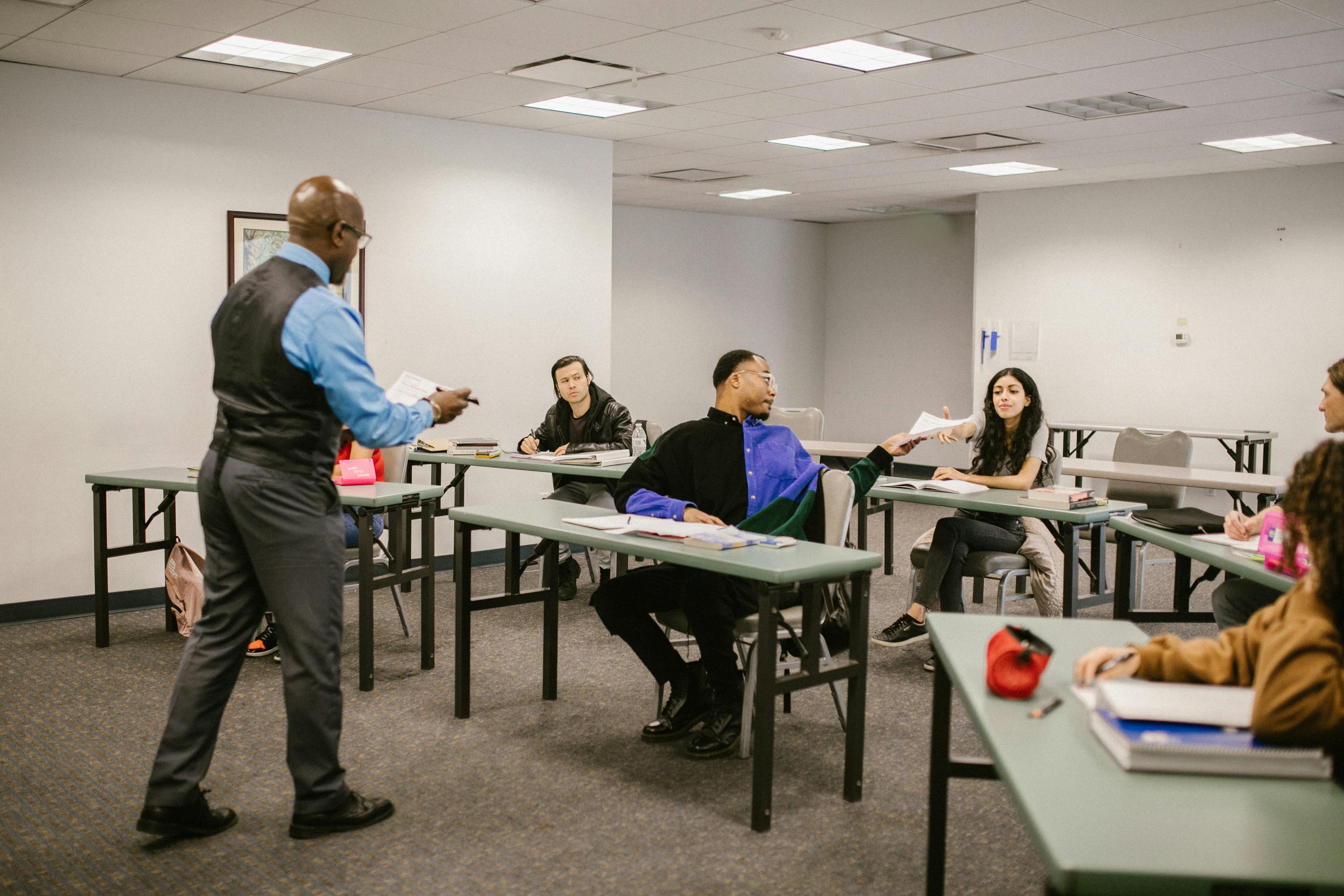
Educators can create a neurodiversity-affirming environment by implementing classroom adjustments such as providing written instructions, offering flexible seating, and proactively connecting students to support services.
Classroom-level adjustments are the most direct lever educators hold, and many carry low effort with high payoff.
The Child Mind Institute notes that sensory overload from bright lights, loud noise, or uncomfortable physical environments can interrupt students' ability to stay present and focused, a signal that small environmental changes can produce outsized benefits.
Here are some classroom-level adjustments that educators can implement immediately:
- Provide written instructions alongside verbal explanations in every session.
- Post daily agendas and transition warnings where all students can see them.
- Allow flexible seating away from high-traffic areas; permit standing or movement breaks.
- Preview any changes to routine at least 24 hours in advance.
- Welcome sensory tools — earplugs, fidgets — without requiring student disclosure.
- Structure group-work with explicit, opt-in roles to reduce social uncertainty.
- Proactively connect students to disability or accessibility services rather than waiting for requests.
At the whole-school level, systemic change multiplies individual effort. Schools that provide professional development on neurodiversity-affirming practices, implement peer mentoring programs, and integrate behavioral health services may see measurable improvements in student outcomes.
Structured peer mentoring pairs neurodiverse students with trained peers who've navigated similar challenges, providing social connection and pathways to self-advocacy simultaneously.
Which campus and community resources are available to neurodiverse students?
On-campus infrastructure forms the first tier of support. Most campuses house a student counseling center, a disability or accessibility services office, a student health center, and peer support groups.
Faculty should actively direct students to disability services during accommodation conversations, shifting the referral responsibility to the institution rather than leaving it entirely on the student.
Beyond campus, several resources are accessible without a referral or waitlist:
The 988 Lifeline's text and chat options deserve specific attention. For neurodiverse students who find phone calls distressing, these lower-sensory pathways to crisis support can make the difference between reaching help and not reaching it at all.
What legal rights protect neurodiverse students' mental health needs?
Three federal laws create the legal framework for neurodiverse students' accommodations and access to mental health services.
Understanding which law applies, and where, is essential for anyone advising students or setting institutional policy.
IDEA does not extend to college. In postsecondary settings, Section 504 and the ADA carry the full weight of accommodation obligations. Critically, "hidden disabilities" — including specific learning differences, mental health conditions, and autism — are explicitly covered under Section 504.
Timely accommodations function as a vital part of a mental health program in their own right. Exam adjustments, sensory-friendly housing options, and written communication alternatives in office hours reduce distress before it escalates into a crisis.
When accommodations are denied or inconsistently applied, students have formal recourse. Internal grievances can go through a school's disability services or civil rights office.
External complaints can be filed with the U.S. Department of Education's Office for Civil Rights (OCR) within 180 days of the alleged discrimination, or with the Department of Justice for ADA violations.
“Timely academic accommodations can function as a preventative mental health support for many neurodiverse students. When institutions implement ADA or Section 504 accommodations early, students can focus on learning rather than constantly managing barriers, helping reduce anxiety, burnout, and feelings of academic failure.”
- Ryan Kelly, LCSW
How can neurodiverse students self-advocate for mental wellness?
Self-advocacy is a learnable skill, and institutions can actively teach it rather than expecting students to arrive with it fully formed. The process starts with self-knowledge.
Before requesting accommodations, students may benefit from mapping their individual patterns:
- Environmental triggers: Which classroom environments increase anxiety? (e.g., fluorescent lighting, crowded hallways, and unclear instructions)
- Optimal focus time: What time of day supports the best concentration?
- Learning style: How is information processed most effectively — reading, diagrams, hands-on activities?
- Reset strategies: What helps with regulation when overwhelmed — a quiet space, walking, music?
With that self-knowledge in hand, students are better positioned to approach faculty or counselors with direct, specific requests. For example: "Professor [Name], I'm registered with disability services and receive testing accommodations, including extended time and a reduced-distraction environment. I've submitted my accommodation letter through the disability office portal. Please confirm receipt and let me know the process for scheduling my exam."
Removing ambiguity reduces the social uncertainty that makes disclosure feel risky for many neurodiverse students. Building a support network matters equally.
When students join neurodiversity affinity groups or connect with a trusted faculty member, they gain a daily, informal connection that sustains them through academic stress.
Families can also reinforce stability at home by sharing a brief overview of the student's strengths, triggers, and calming strategies with teachers. This reinforces predictable routines with visual schedules and breaks homework into short, manageable tasks.
Online therapy support for neurodiverse students and families
Campus counseling centers serve a critical function, but many face real capacity constraints such as long wait times, limited session counts, or providers without specialized training in neurodiversity-affirming mental health care.
For students who need consistent support between campus appointments or whose institution can't provide the right clinical fit, telehealth offers a meaningful supplement.
Talkspace connects students and their families with licensed therapists experienced across the full range of neurodevelopmental differences through message-based therapy, live video sessions, and self-guided tools that flex around demanding academic schedules.
The asynchronous messaging format aligns with many neurodiverse students' preference for written communication and time to process before responding, without the sensory and social load of in-person appointments.
Supporting neurodiversity-affirming mental health care as part of an institution's broader ecosystem is one of the most concrete investments in student retention and long-term well-being.
Talkspace partners with school districts and universities to deliver tailored mental health solutions for students, teachers, and counselors. Book a demo today to see how Talkspace can support your institution’s mental health initiatives.
Frequently asked questions
Is teletherapy effective for neurodiverse college students?
Yes, teletherapy can be effective for neurodiverse college students, as it provides flexibility, accessibility, and a comfortable environment tailored to their needs. Many students find virtual therapy helps them engage more easily and reduces the stress of in-person appointments.
Do health insurance plans cover neurodiversity-affirming counseling?
Most plans that include mental health benefits cover therapy for conditions like anxiety and depression, regardless of the neurodivergent status. Coverage varies by plan and network, so students and families should verify benefits directly with their insurer.
Can exam accommodations be requested for anxiety related to autism?
Yes. When anxiety substantially limits academic performance and is documented, students with autism can request accommodations under Section 504 or the ADA, such as extended time or reduced-distraction testing environments, through their campus disability services office.
What free apps help with executive-function challenges?
Free tools like Forest, Goblin Tools, Google Calendar, and Todoist help with task management, focus, and time awareness. Students should select apps that match their unique processing styles, and campus accessibility offices often provide curated lists of recommended technologies.
How can someone support a neurodiverse friend in crisis who dislikes phone calls?
To support a neurodiverse friend in crisis who dislikes phone calls, offer text or message-based communication instead, as it allows them time to process and respond at their own pace. Additionally, respect their boundaries, check in with empathy, and offer resources or ways they can reach out for help if needed.
Sources
- Centers for Disease Control and Prevention. Data and Statistics on Autism Spectrum Disorder. https://www.cdc.gov/autism/data-research/index.html. Accessed February 22, 2026.
- Child Mind Institute. How sensory processing issues affect kids in school. Child Mind Institute.https://childmind.org/article/how-sensory-processing-issues-affect-kids-in-school/. March 10, 2025. Accessed February 22, 2026.